
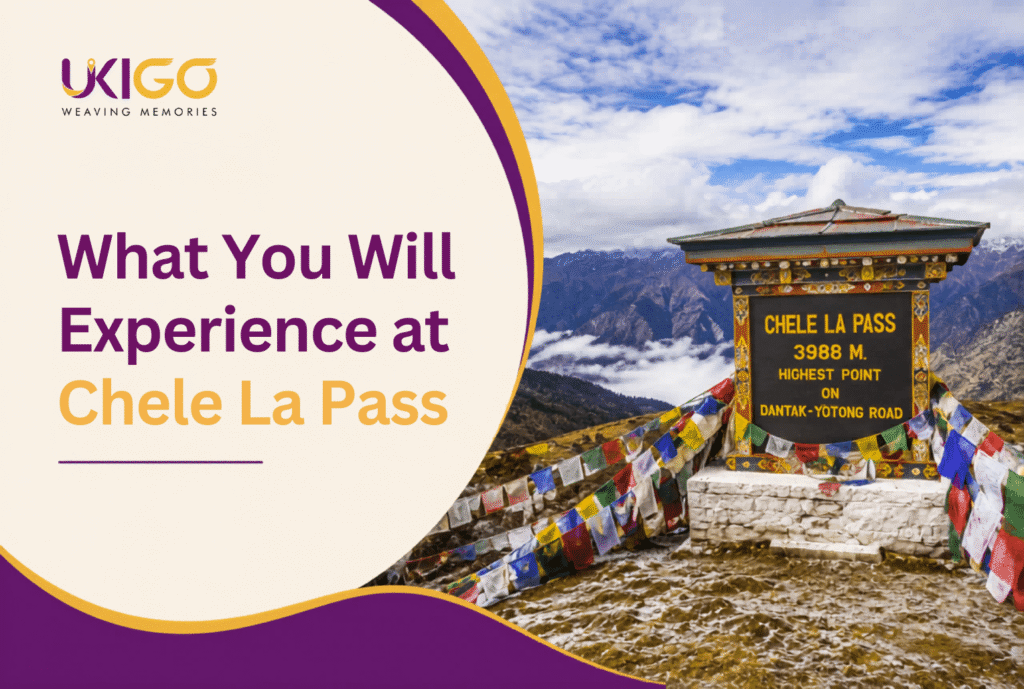
A trip from Paro to Chele La Pass is one of those short drives in Bhutan that feels simple, but somehow stays with you. It takes around 2 hours uphill, and slowly the valley starts changing into forests, mist, and colder air.
At 13,088 feet, Chele La Pass is one of the highest motorable points in Bhutan. But honestly, the number doesn’t matter much when you are there. It’s more about how the place feels when you actually reach — quiet, open, and a bit overwhelming in a calm way.
The Drive from Paro
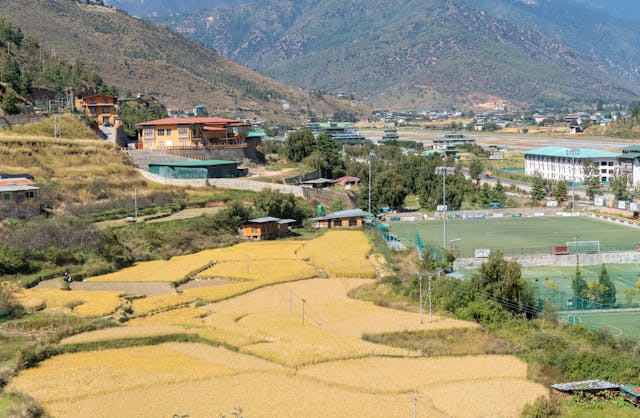
You start from Paro valley. The road slowly goes uphill, winding through pine forests and small open stretches. As you climb, the air gets cooler. Sometimes you see clear green slopes, sometimes thick fog just sitting on the road. The drive is not rushed at all — actually it shouldn’t be. A few people might feel a little uneasy because of altitude, but that usually settles after a short stop or two. Nothing dramatic, just a gradual shift in atmosphere.
When You Reach the Pass
The moment you step out at Chele La Pass, the first thing you notice is the wind. Cold, open, and constant. Everything suddenly feels wide. Like the landscape just opened up in front of you. There are prayer flags everywhere. They move nonstop with the wind, adding colour and movement to an otherwise quiet place.
And if the weather is clear, you’ll spot:
- Mount Jomolhari
- Jichu Drake
They don’t feel close at all, but you can clearly see them standing far away, covered in snow, almost like they are just watching quietly.
Just Standing There Feels Enough
There is no real “to-do list” here. Most people just stand for a bit, walk around slowly, maybe sit on a stone, then stand again. That’s pretty much it. And strangely, it doesn’t feel boring. It feels complete in a very simple way. The wind, the silence, the open space, everything slows down without you even trying.
Photography Moments
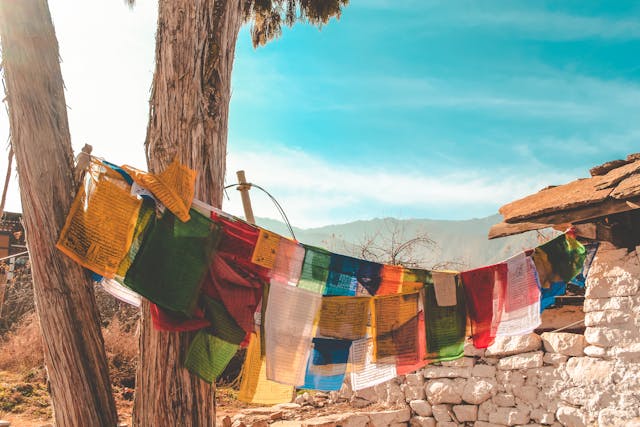
If you like taking photos, you’ll probably keep your camera out most of the time. But the funny thing is, you don’t really have to look for shots. They just appear.
Some simple moments you’ll end up capturing:
- Prayer flags against the sky
- Clouds moving over valleys
- Forests going down into distance
- Snow patches in winter months
- Road curves disappearing into hills
Light changes very fast here. One moment it’s bright, next moment a cloud moves in and everything looks different. So even standing in the same place gives you different photos.
Nature and Small Things You Notice
If you slow down a little, you start noticing small things. Birds flying quickly between trees, wind moving through pine branches, sometimes even tiny wildflowers near walking paths. It’s not a place where wildlife is obvious or loud. You have to pay attention, otherwise you’ll miss it. And maybe that’s the point — everything here is subtle.
A Short Walk Around
You can walk around the top area without much effort. No trekking, nothing difficult. Just simple walking paths and open viewpoints. Each side shows a slightly different view — one side opens into deep valleys, the other into forested slopes.
A few simple things to keep in mind:
- Walk slowly (altitude is real here)
- Don’t rush even if you feel fine
- Keep a jacket on, wind can surprise you
- Pause often if needed
It’s more about moving gently than covering distance.
Optional Walk to Kila Goemba
If you feel like walking a bit more, there’s a downhill trail to Kila Goemba. It’s a small monastery where Buddhist nuns live and follow a very quiet daily routine. The walk goes through forest paths, which feel very different from the open pass above. Going down is manageable. Coming back up, you’ll feel the altitude a bit more.
At the monastery, everything slows down even more. Simple buildings, meditation spaces, and a very peaceful atmosphere.
Weather Can Change Anytime
One thing you’ll notice quickly — weather here changes a lot. It can be sunny, windy, foggy, and cold all within a short span of time. So it’s better not to rely on “good weather” or “bad weather”. It just keeps shifting.
Best to carry:
- A warm jacket
- Gloves (even light ones help a lot)
- Water
- Small snacks
Even in summer, once you stop moving, it gets cold.
Best Time to Visit
The experience changes with seasons, but not in a complicated way.
- Spring (March to May) – flowers and softer views
- Autumn (September to November) – the clearest mountain views
Winter is colder, sometimes snowy. Monsoon is usually foggy, and mountains may stay hidden. So if you want clear views, autumn is usually the safest bet.
What Stays With You After
The drive back feels quieter than the way up. Not because something big happened, but because the place is simple and still. You don’t leave with “activities done” — you leave with a feeling. The wind, the flags, the open space, the mountains in the distance… they stay in your mind longer than expected.
In Short
Chele La Pass is not really about doing things. It’s more about slowing down for a bit, standing in a very open space, and just letting it be.
You go from Paro, spend some time at the top, maybe walk a little, maybe don’t, and then come back. Simple journey. Quiet place. And somehow, it stays with you.