
Are you planning a trip to Paro? Most people first think about Tiger’s Nest Monastery. You have probably seen its photos. But Paro is not just about this one place.
The town is small, but the valley feels full of life. There are quiet streets, green fields across the valley, and monasteries on the hills. The air feels fresh and peaceful. You can see culture in the temples, local markets, and in the simple daily life of the people.
Along with sightseeing, you can enjoy short hikes, local food, and visits to historic monasteries. Paro may be small, but there is a lot to see and do. When you spend time here, you will discover more than you expected.
Here’s what you can see and do in Paro:
Hike to Taktsang Monastery (Tiger’s Nest)
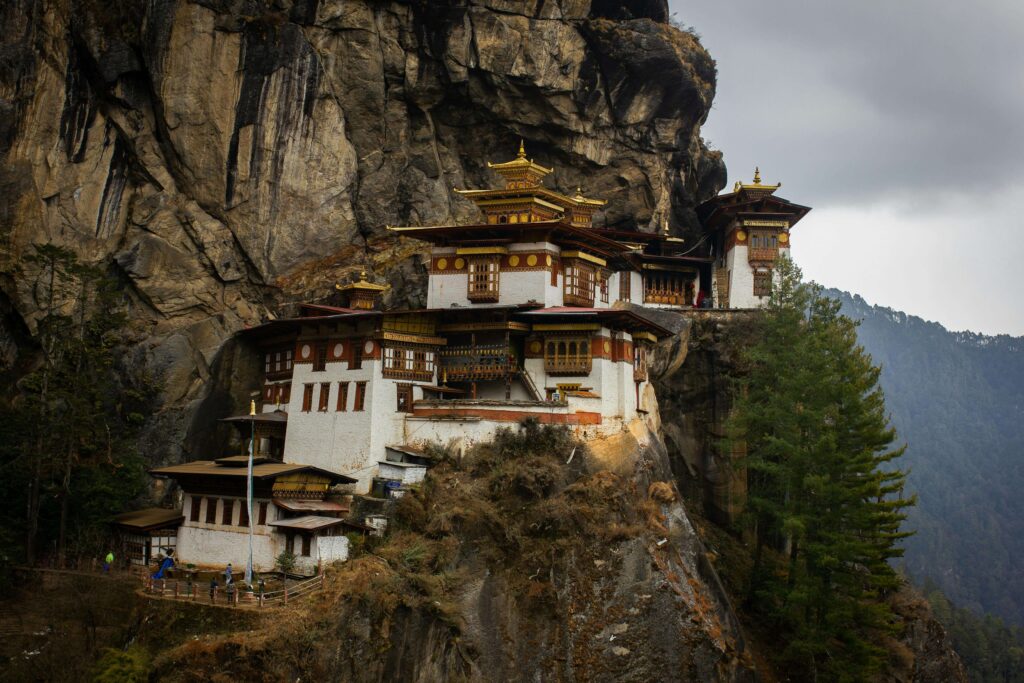
This is the main visit. The monastery sits on a cliff at about 3,120 meters. It’s linked to Guru Rinpoche, who is believed to have meditated here in the 8th century. The hike is steady uphill. Not dangerous, not technical, but it does require basic fitness. Start in the morning, ideally around 8:00 AM. The full round trip usually takes 4 to 5 hours.
There’s a cafeteria halfway where most people stop. From there, you get the first clear view of the monastery stuck to the cliff. It looks close at that point, but there’s still some walking left — including a descent and climb before the final steps. Inside, photography isn’t allowed. The rooms are traditional and actively used for prayer. Dress properly and carry water. This hike takes half the day, so don’t schedule anything heavy afterward.
Rinpung Dzong
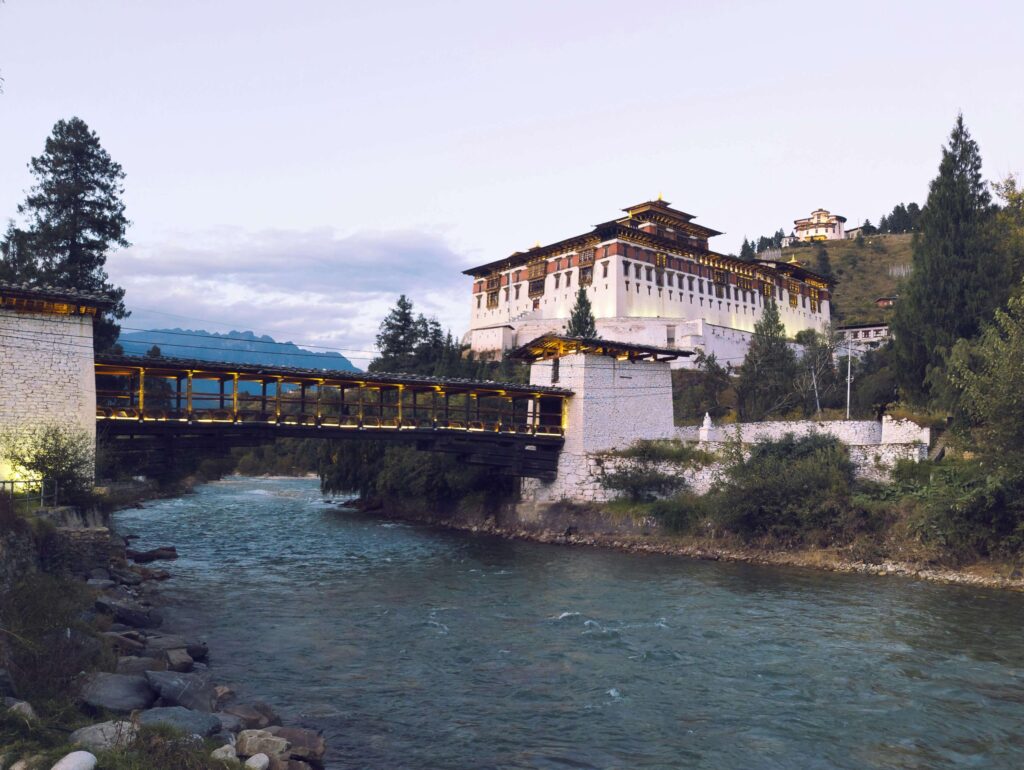
This is the large fortress monastery overlooking the Paro River. Built in the 1600s, it still functions as both a religious center and a government office. From outside, it looks massive. Thick white walls, wooden windows, a central tower inside. To enter, you cross a traditional wooden bridge. That walk itself feels like stepping into another time.
Inside, monks move between prayer halls. Government offices operate in other sections. It’s not staged for tourists. It’s active. If visiting during the Paro Tshechu festival, this is where masked dances take place. Otherwise, it’s quieter and easier to explore.
Ta Dzong – National Museum
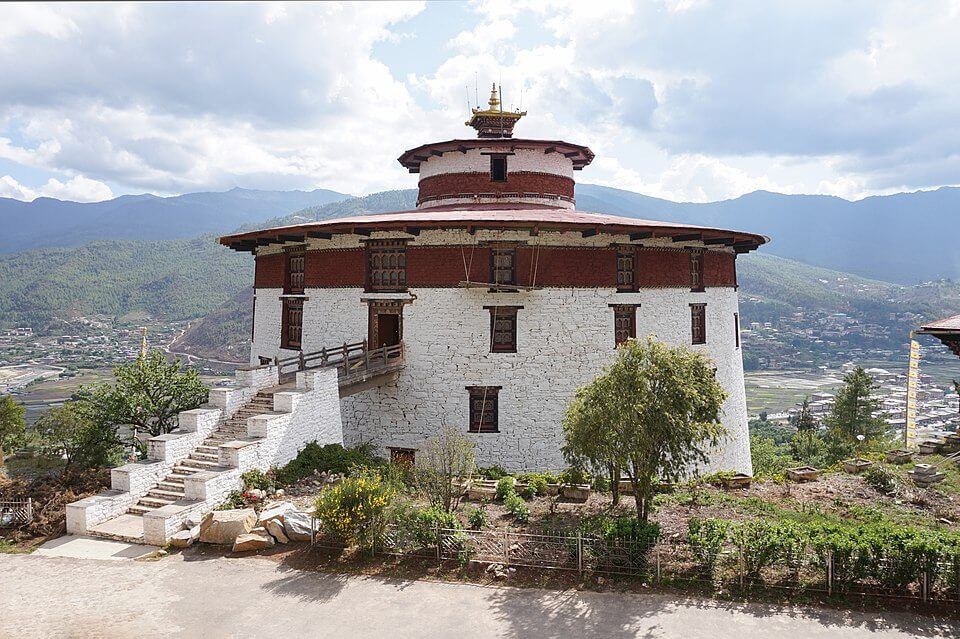
Above Rinpung Dzong stands Ta Dzong, which used to be a watchtower. Now it’s Bhutan’s National Museum. If someone wants context — this is where to get it.
The exhibits include traditional weapons, religious paintings (thangkas), old farming tools, textiles, and even sections about Bhutan’s wildlife. It’s not too big, so it doesn’t feel exhausting. Visiting this either before or after the dzong helps make sense of what you’re seeing around the valley.
Kyichu Lhakhang
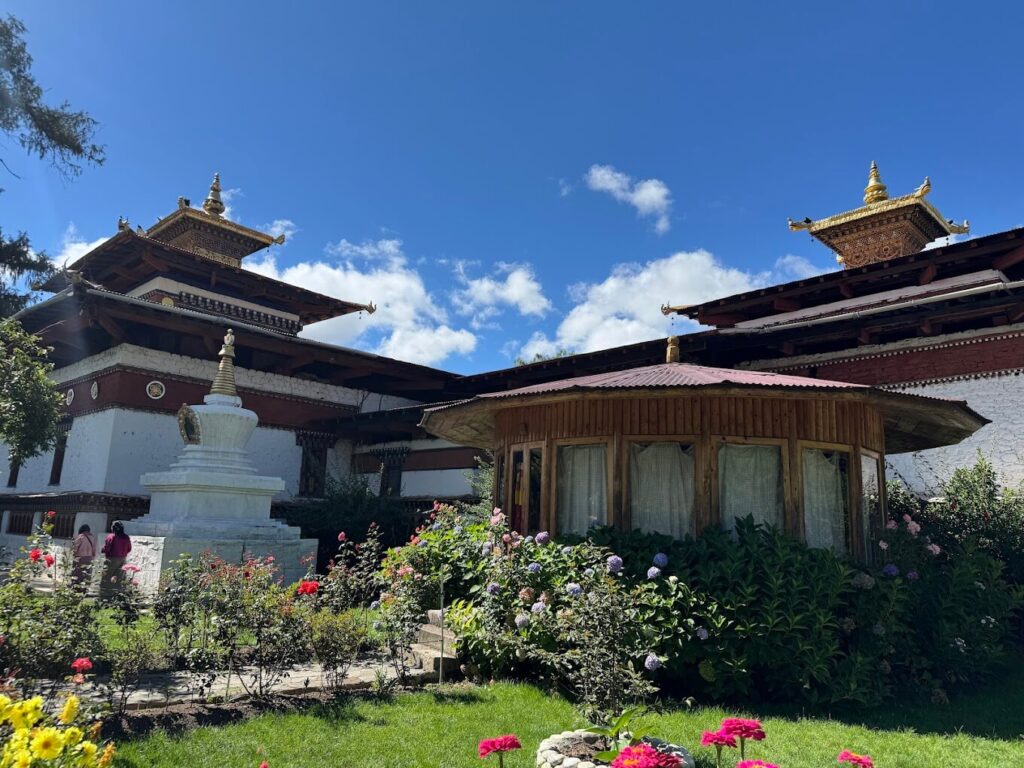
Kyichu Lhakhang is believed to date back to the 7th century, making it one of the oldest temples in Bhutan. It’s smaller compared to the dzong, but it feels more personal. Locals still come here daily. Prayer wheels line the outer walls. Elderly people sit quietly chanting.
There’s no big explanation board outside. You just walk in, observe, maybe sit for a few minutes. It doesn’t take long to visit, but it shows how religion in Bhutan is part of daily routine, not something separate for tourists.
Museum of Lights
This is a lesser-known stop. The Museum of Lights explains how Bhutan moved from pre-electric life to modern electrification through hydropower. It’s small and takes about 40–45 minutes. But it gives insight into how villages functioned before electricity and how controlled development shaped the country. For anyone curious about Bhutan beyond monasteries, this visit adds balance.
Walk Around Paro Town and Market
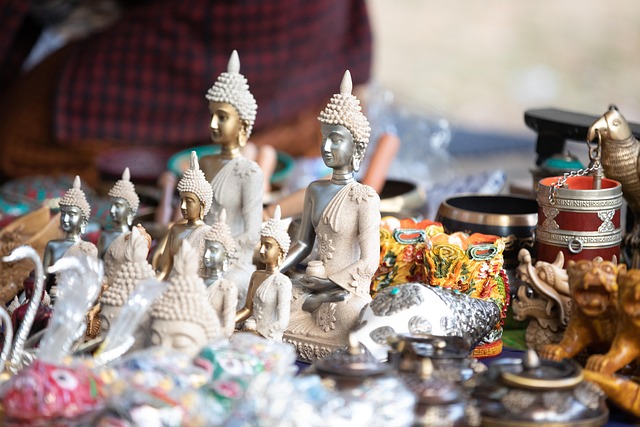
Paro town is small. There is one main road with shops on both sides. You can walk through it slowly without any plan.
Some shops sell prayer flags, incense, wooden bowls, and woven scarves. Others sell normal daily things like biscuits, soap, school supplies. It’s not built only for tourists. Local people shop here too. You’ll see monks walking past, students in uniform, shopkeepers sitting quietly inside.
There are small restaurants serving rice, chili and cheese, momos, and tea. Nothing fancy. Just simple meals. A few bakeries sell coffee and basic cakes. It’s the kind of place where you sit for a while and watch the street. Evenings are calm. Shops close early.
Farmhouse Lunch
Many visitors choose to eat one meal in a local farmhouse. These are regular homes in the valley, mostly wooden, with simple rooms and traditional kitchens.
The food is home-cooked. Red rice, vegetables, chili dishes, local cheese, sometimes dried meat. Portions are large. The spice level can be strong. It’s not a performance for visitors. It’s just a meal inside someone’s home. You see how food is prepared and served in a normal household setting.
Traditional Hot Stone Bath
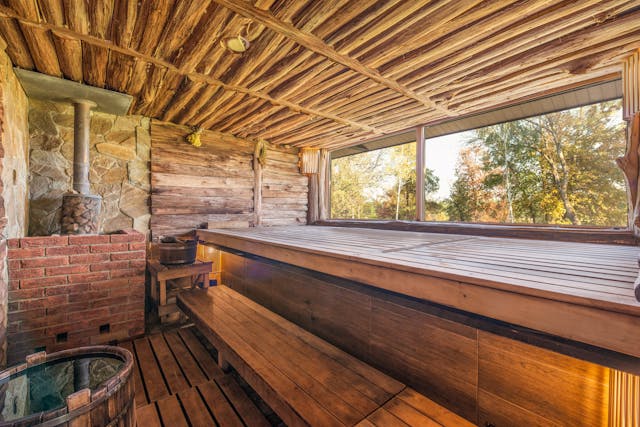
Hot stone baths are common in Bhutan. Large stones are heated in a fire and then placed into a wooden tub filled with water. When the stones are added, they crack from the heat.
The bath is usually prepared in a small enclosed room. More hot stones are added to keep the water warm. Some places add herbs. Many people take this after the Tiger’s Nest hike because legs feel tired. It’s simple and quiet.
Butter Lamp Lighting
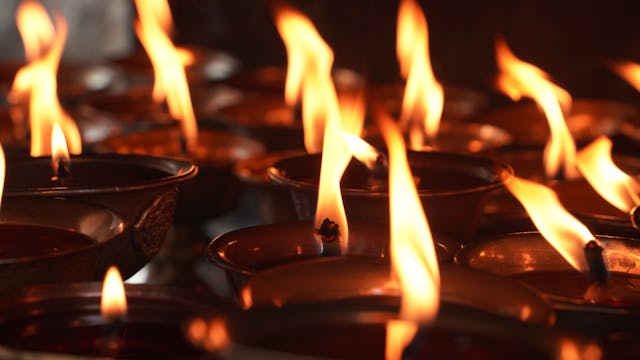
In monasteries, visitors can light a butter lamp as an offering. The lamps are placed in rows inside a prayer room. A monk usually shows where to put it. There’s no long ritual. You light the lamp and place it carefully. It’s a short activity, but it’s part of daily religious practice in Bhutan.
Visit to Namgay Artisanal Brewery
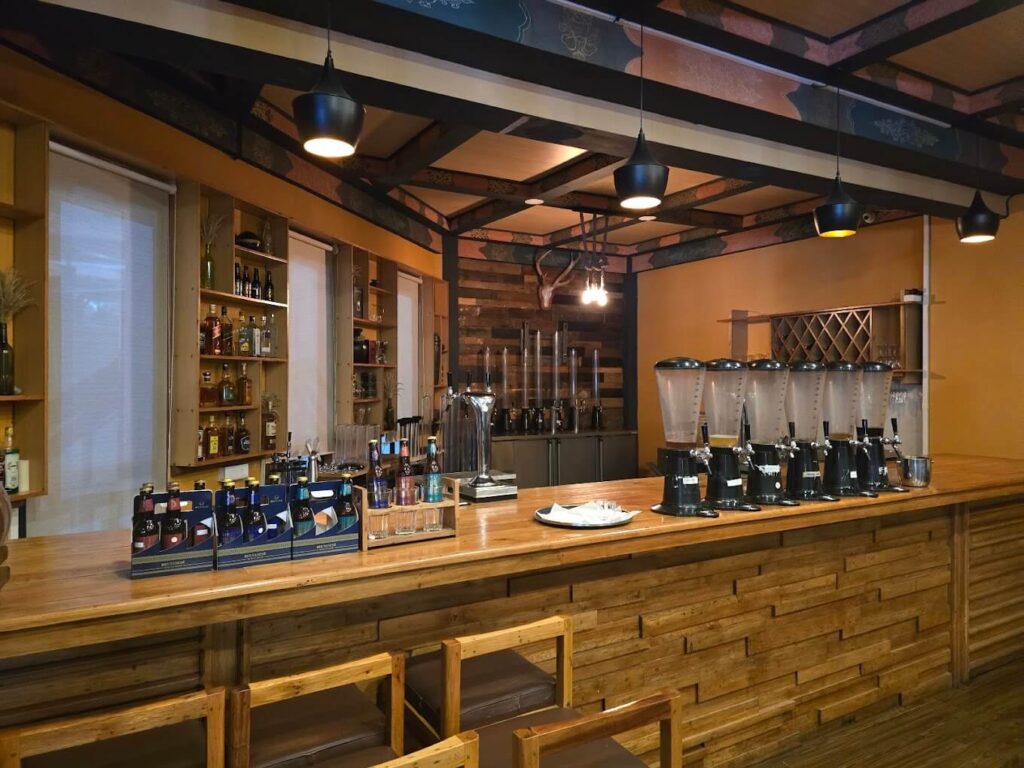
Namgay Artisanal Brewery is located in Paro and produces local craft beer. Visitors can see the brewing area and taste a few varieties. It’s a small-scale setup. The visit doesn’t take long. It’s different from the monastery visits and gives a look at a modern local business.
Cycling Through the Valley
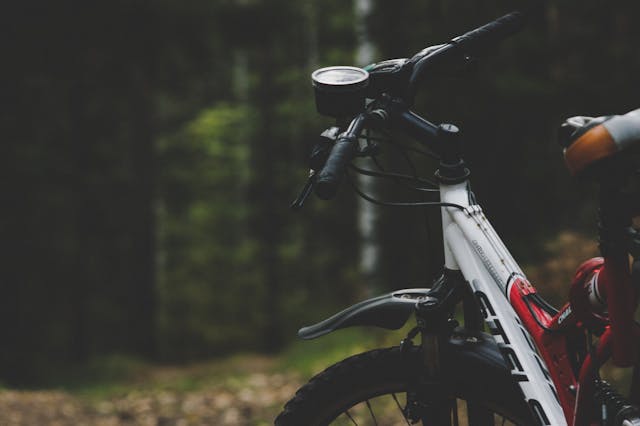
If the weather’s clear, rent a bicycle.The roads are mostly flat. Traffic is light. You pass farmhouses, rice paddies, apple orchards, prayer flags tied between trees. The river appears and disappears beside you. No schedule needed. Just ride until you feel like turning back.
Bhutan is often called one of the happiest countries in the world, and time spent in Paro helps explain why. Life here feels balanced. Religion, work, nature, and daily routines all exist together without rushing.
A few days in Paro don’t just show monasteries and mountains. They give you space to pause, a pause that you probably crave, and need, in today’s fast, busy life, don’t you?